
Chicago Heat Ordinance 2026: Landlord HVAC Checklist
Chicago’s heat season runs from September 15 through June 1. For most residential buildings with shared central heating, the required indoor temperature is at least 68°F from 8:30 a.m. to 10:30 p.m. and at least 66°F overnight. The rule is about maintaining the required indoor temperature—not simply flipping a boiler or furnace switch on a certain date.
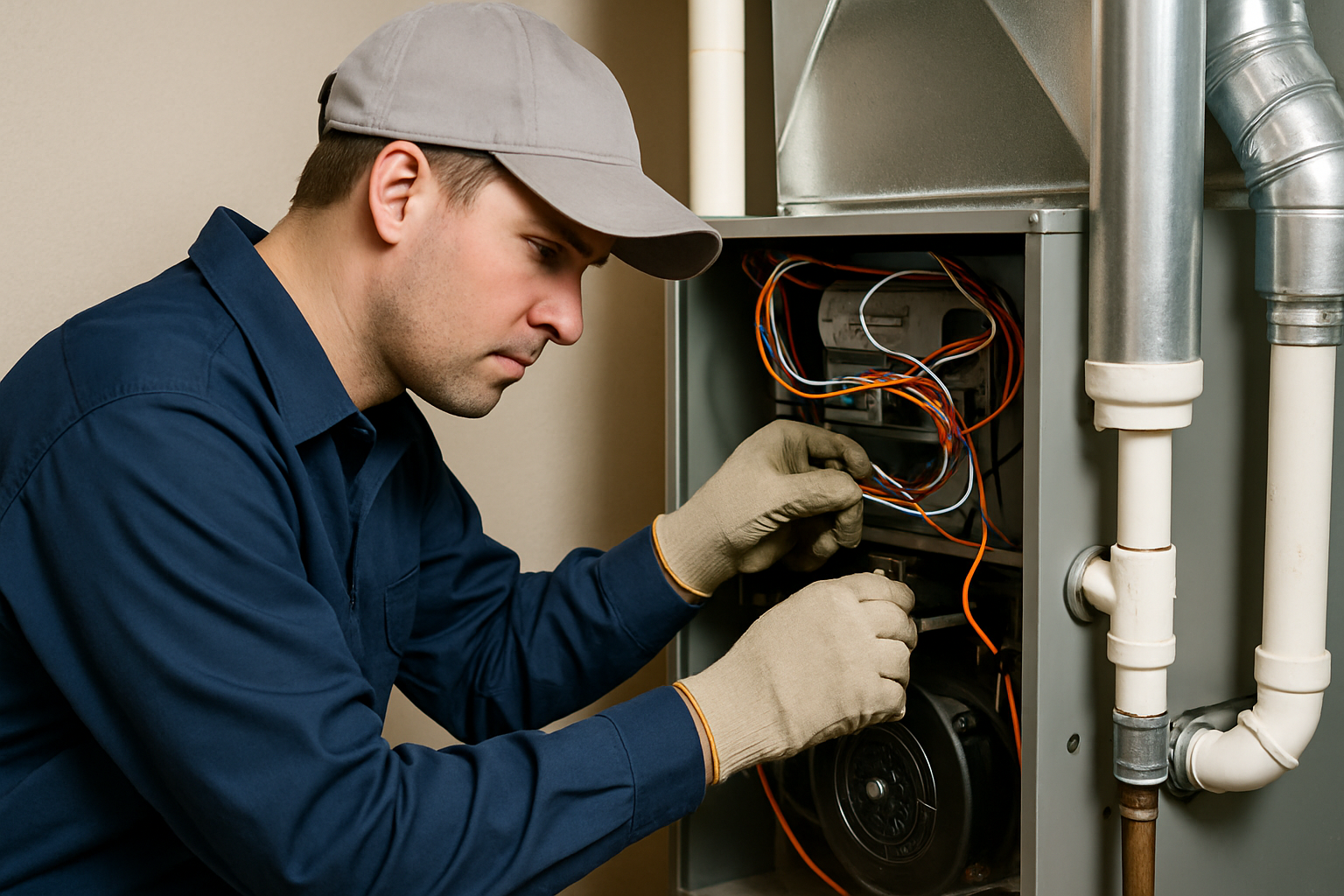
For landlords and property managers, the safest move is to test every furnace, boiler, thermostat, zone and occupied unit before September 15. A system that ran last winter can still fail at the first call for heat after sitting through summer. Early testing gives you time to arrange access, diagnose the actual problem and approve repairs before a tenant is without heat.
This guide explains the HVAC side of the Chicago Heat Ordinance 2026. It is general information, not legal advice. For the official requirements and exceptions, review the City of Chicago Heat Ordinance and the current Chicago Municipal Code.
Chicago Heat Ordinance 2026: The Quick Answer
- Heat season: September 15 through June 1.
- Most shared central-heating buildings: at least 68°F from 8:30 a.m. to 10:30 p.m. and 66°F from 10:30 p.m. to 8:30 a.m.
- Individual heating equipment: the permanent system must be capable of maintaining the required temperature under expected Chicago winter conditions.
- Owner responsibility: heating equipment must be kept in good working order. The building envelope also matters because windows, doors and walls must keep heat inside.
- Temporary heat: cooking appliances, water heaters, fireplaces and portable space heaters cannot replace the permanent heating system for ordinance compliance.
- Enforcement: tenants and workers can report inadequate heat through Chicago 311. The City says violations may carry fines of $500 to $1,000 per day, per violation.
For Chicago Heat Ordinance planning, building type matters. Some buildings have special rules, particularly two-pipe systems that use the same facilities for both heating and cooling. Those exceptions should be checked against the official code instead of applying a one-size-fits-all answer to every property.
What Temperature Must a Chicago Rental Property Maintain?
Shared central heating systems
In a building where one furnace, boiler or central heating plant serves multiple units, the system must deliver enough heat to maintain the required indoor temperature throughout the occupied spaces. A hot boiler room does not prove that the top floor, rear bedroom or farthest radiator is warm enough. Distribution problems, closed valves, failed zone controls, air in hydronic piping, steam-balance problems and restricted airflow can leave one unit cold even while the equipment runs.
Individual furnaces or heating equipment
When each apartment has its own furnace or permanent heating system, the equipment still needs to be maintained in working condition. A tenant may be responsible for the utility bill, but that does not make a failed furnace, unsafe vent or damaged control their equipment to repair. Confirm the lease and official requirements for responsibility questions, and use a qualified technician for equipment diagnosis.
Two-pipe heating and cooling systems
Chicago provides a limited transition-season exception for qualifying buildings that use the same facilities for heating and cooling. During specified early-fall and late-spring conditions, the minimum can be 64°F at all hours. Because equipment design and dates matter, building owners should verify that their property actually qualifies before relying on this exception.
Why Test the Heat Before September 15?
Preparing for Chicago Heat Ordinance season before September 15 gives owners time to correct problems. Waiting for the first cold morning creates avoidable pressure. A furnace or boiler can sit idle for months while a weak ignitor, stuck circulator, failed thermostat, leaking valve, blocked condensate path or damaged control goes unnoticed. On the first heavy call for heat, every tenant wants service at once and contractor schedules fill quickly.
Early testing also prevents wasted service trips. Property calls often require a unit number, tenant contact, basement key, roof or mechanical-room access and an owner who can approve repairs. If those details are missing, the technician may reach the property but not the correct equipment.
Preseason Furnace Checklist for Chicago Landlords
A Chicago Heat Ordinance furnace check should confirm that the complete system can start, run safely and deliver heat to the occupied unit.
- Identify every system. Record which thermostat, furnace and outdoor unit serve each apartment or floor.
- Confirm access. Make sure panels, mechanical rooms, basements, attics and thermostats can be reached safely.
- Test the thermostat. Set it to Heat, raise the setting and observe whether the complete startup sequence occurs.
- Check the filter. A badly restricted or incorrectly sized filter can reduce airflow and contribute to overheating or limit trips.
- Observe the startup. The inducer, pressure switch, ignition, burners, flame-proving circuit and blower must operate in the proper sequence.
- Listen and smell. Repeated clicking, grinding, electrical odor, gas odor, smoke or persistent burning smells require attention.
- Check the venting area. Visible damage, disconnected venting, corrosion, blocked PVC terminations or water around a high-efficiency furnace should not be ignored.
- Verify room comfort. Confirm supply airflow and temperature in the actual unit, not only at the furnace.
Do not bypass door switches, pressure switches, limits, rollout controls or other safeties to make a furnace operate. If the system will not complete its sequence, schedule Chicago furnace repair so the failure can be tested instead of guessed.
Preseason Boiler and Radiator Checklist
Chicago Heat Ordinance readiness for boiler buildings requires more than confirming that the burner lights. Chicago rental properties commonly use steam or hot-water boilers, and the correct checks depend on the system. A hot-water system relies on circulation, pumps, valves, zones and proper pressure. A steam system relies on correct water level, pressure control, main and radiator venting, clean returns and proper distribution.
- Confirm the boiler starts from the thermostat or building control.
- Look for active water leaks, heavy corrosion or unusual pressure changes.
- Verify that the low-water cutoff and other safety controls are serviced and tested correctly.
- Check that pumps, zone valves or circulators operate on hot-water systems.
- Confirm the visible water level and feeder operation on steam systems when applicable.
- Walk the building and determine whether all zones, radiators or baseboards receive heat.
- Listen for banging, gurgling, pump noise or repeated burner cycling.
- Document cold rooms, slow radiators and tenant complaints by unit.
One cold radiator does not automatically mean the boiler is bad. The cause could involve a closed or failed valve, air trapped in a hot-water loop, a steam vent, system balance, a control problem or restricted circulation. Multiple cold units may point toward a building-wide control, burner or distribution issue. Bean’z provides boiler repair in Chicago for no heat, cold radiators, leaks, control failures and circulation problems.
Heating Warning Signs That Need Professional Diagnosis
- The furnace or boiler does not start.
- The equipment starts and stops repeatedly.
- Burners light and shut off within seconds.
- The blower runs but the air remains cold.
- One apartment or floor stays cold while others overheat.
- The boiler leaks, loses pressure or repeatedly needs water.
- The breaker trips or an electrical component buzzes.
- There is a gas odor, visible smoke, scorching or melting-plastic smell.
- A carbon-monoxide alarm activates.
If you smell natural gas, see smoke or receive a carbon-monoxide alarm, move occupants to safety and contact the appropriate emergency service or gas utility from a safe location. Do not keep resetting or operating equipment with an unresolved safety condition.
Give the HVAC Technician a Property Map
Before scheduling, collect the information that lets the technician reach the right equipment and communicate with the right person:
- Property address, unit and floor
- Tenant-occupied, vacant or under renovation
- Furnace, boiler, heat pump or other system type
- Exact symptom and thermostat message
- Equipment location and access instructions
- Tenant or onsite contact
- Owner or manager authorized to approve repairs
- Service history and any recent work
- Whether the whole building or one unit is affected
This preparation is especially important for two-flats, three-flats and four-unit properties where several thermostats and systems may be close together. Bean’z property manager and landlord HVAC service is organized around tenant access, equipment identification, diagnosis and owner approval.
Do You Need Maintenance, Repair or a Replacement Estimate?
| Situation | Best starting point |
|---|---|
| The system operates normally but has not been checked | Schedule seasonal maintenance or a furnace tune-up. |
| The system will not start, leaks, cycles or leaves a unit cold | Schedule an active repair diagnostic. |
| The equipment is old, unsafe, severely damaged or repeatedly failing | Request repair findings and compare a replacement estimate. |
| Several properties or systems need attention | Send a property and equipment list so the work can be scoped correctly. |
A maintenance visit should not be used to avoid diagnosing an active failure. Likewise, one failed component does not automatically mean the entire system needs replacement. The correct recommendation should come from the condition of the equipment, the failure found, safety, repair cost and the remaining usable life.
When a Tenant Reports No Heat
- Confirm the address, unit, indoor condition and whether everyone is safe.
- Ask what the thermostat shows and whether the equipment makes any sound.
- Determine whether one room, one unit or the whole building is affected.
- Arrange access to both the apartment and the heating equipment.
- Keep the repair-approval contact available during the visit.
- Document the report, service request, findings and completed work.
For official compliance questions or a reported heat violation, use the Chicago 311 Heat Ordinance information. For an urgent heating failure, review Bean’z emergency HVAC service and call for current availability.
Chicago Heat Ordinance Frequently Asked Questions
When does Chicago’s heat season begin?
The City of Chicago heat season runs from September 15 through June 1.
Does the heat have to run constantly after September 15?
No. The requirement concerns maintaining the applicable minimum indoor temperatures. How often the permanent system runs depends on weather, the building and system controls.
Can portable heaters satisfy the Chicago Heat Ordinance?
The City states that portable space heaters, cooking appliances, domestic water heaters and fireplaces cannot serve as substitutes for the required permanent heating system.
What should a landlord check before heating season?
Identify each system, confirm access, test thermostats and heating operation, inspect filters and visible venting, check every occupied area for heat and schedule diagnosis for abnormal operation.
Does Bean’z work with landlords and property managers?
Yes. Bean’z serves Chicago landlords, property managers and small residential properties with furnace, boiler, thermostat, airflow, maintenance, repair and replacement needs.
Prepare Your Chicago Rental Property Before September 15
Do not wait for the first cold morning to discover that a furnace, boiler, circulator, thermostat or radiator is not working. Test each system early, organize tenant access and schedule professional diagnosis when the equipment does not operate normally.
Call Bean’z Heating & Cooling at 312-593-6334 or request property HVAC service online. Include the property address, unit, equipment type, problem, access instructions and the person authorized to approve repairs.
Written and reviewed by Andre Beans, owner and HVAC service technician at Bean’z Heating & Cooling, serving Chicago’s South Side and nearby suburbs.