
Heat Pump Installation Chicago IL
Heat and cool your home with one properly designed system. Bean’z Heating & Cooling evaluates ducted, ductless, cold-climate, and dual-fuel heat-pump options with Chicago winter capacity, airflow, controls, electrical needs, and backup heat considered before installation.
How a Heat Pump Heats and Cools Your Home
A heat pump moves heat through a refrigeration cycle. In cooling mode, it removes indoor heat and releases it outdoors. In heating mode, a reversing valve changes refrigerant flow so the system collects available outdoor heat and moves it inside.
Cooling Mode
The indoor coil absorbs heat and moisture while the outdoor unit releases that heat outside, similar to a central air conditioner.
Heating Mode
The cycle reverses. The outdoor unit becomes the heat-collecting side and the indoor system delivers warm air to the home.
Backup Strategy
Electric supplemental heat or a compatible furnace can support the heat pump when the building load exceeds available heat-pump capacity.
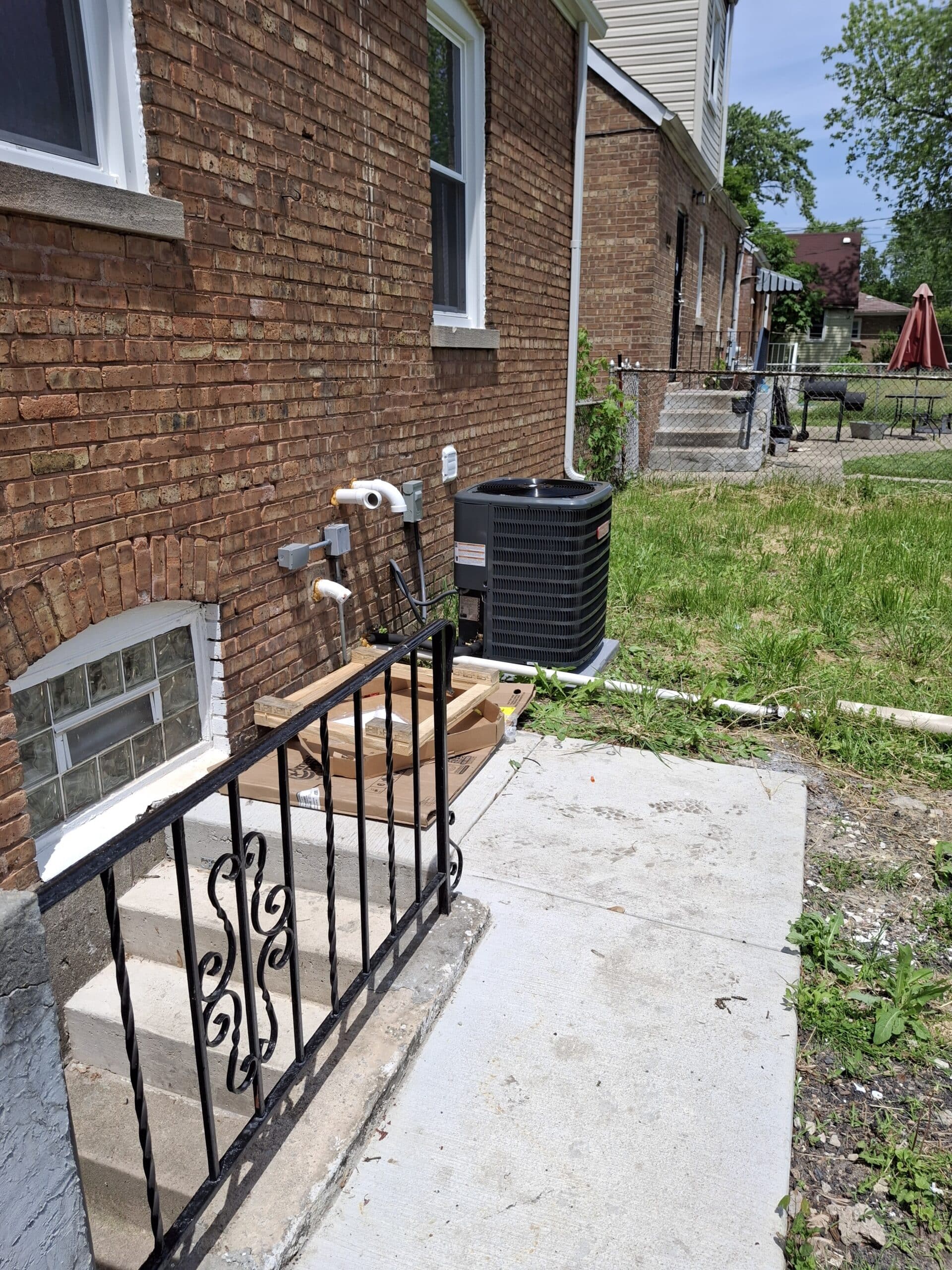
When a Heat Pump May Be a Good Fit
A heat pump is worth evaluating when an older air conditioner is due for replacement, a homeowner wants an electric heating option, or the property needs a new whole-home comfort plan.
- You want one system to provide both heating and cooling
- Usable ductwork can carry the required airflow
- A room, addition, or floor needs independent ductless comfort
- A dual-fuel setup could pair a heat pump with a furnace
- The electrical service can support the proposed equipment
- The outdoor location allows drainage, snow clearance, and service access
A heat pump is one option—not the automatic answer for every building. Compare central AC installation, furnace installation, and ductless mini-splits before choosing.
Ducted, Ductless, or Dual-Fuel?
The best configuration depends on the building, existing equipment, comfort goals, available utilities, and installation scope.
| System type | How it serves the home | Planning priorities |
|---|---|---|
| Ducted heat pump | An air handler or compatible coil-and-blower arrangement distributes air through supply and return ducts. | Duct size, leakage, return paths, static pressure, insulation, airflow, and room balance. |
| Ductless heat pump | One or more indoor units serve separate rooms or zones without a traditional duct system. | Room loads, indoor-unit placement, line-set routing, condensate drainage, appearance, and service access. |
| Dual-fuel system | A compatible heat pump handles part of the heating season and a furnace becomes the heat source when controls call for it. | Equipment compatibility, balance/changeover settings, thermostat logic, utility priorities, and furnace condition. |
If the existing ducts cannot deliver or return the required air, review our Chicago ductwork installation service before assuming new equipment will solve the comfort problem.
Cold-Weather Details That Matter
Heat-pump output and efficiency change with outdoor temperature. A reliable installation plan looks at the entire heating system—not just the advertised efficiency rating.
- Published heating capacity at the project design temperature
- Building heat loss and room-by-room comfort needs
- Defrost operation and temporary supply-air temperature changes
- Outdoor-unit elevation, drainage, snow, and ice management
- Thermostat staging and supplemental-heat lockout settings
- Electrical capacity for the outdoor unit and any resistance heat
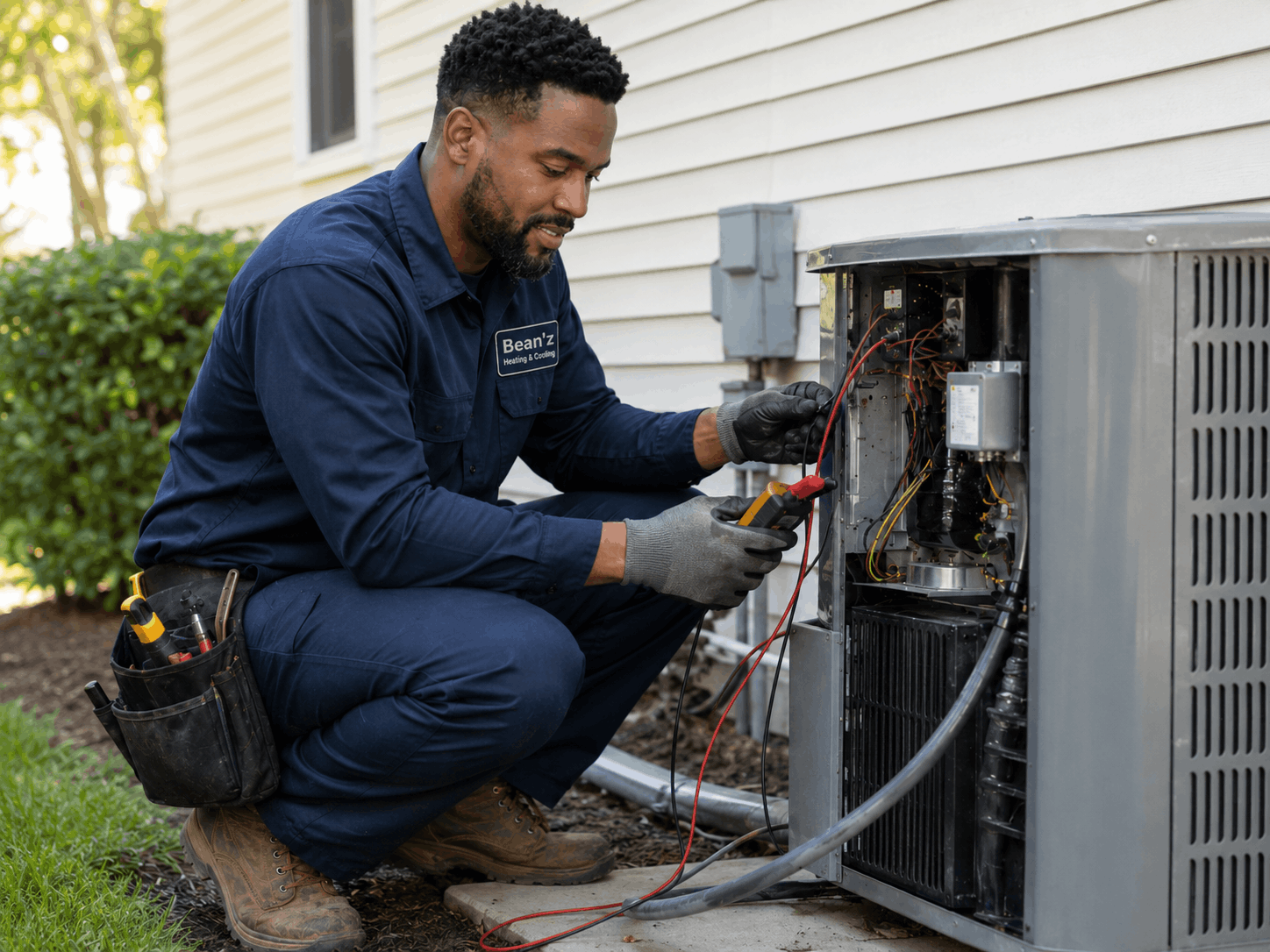
Our Heat Pump Installation Process
Review the Comfort Goal
We discuss the current furnace or air conditioner, rooms that run hot or cold, electrical goals, planned renovations, and whether existing heating equipment will remain.
Evaluate the Property
Accessible ducts, airflow paths, equipment locations, drainage, controls, electrical conditions, clearances, and service access are reviewed.
Build the System Plan
The proposed type, capacity, backup heat, controls, related ductwork, electrical responsibilities, included work, and exclusions are written into the estimate.
Install and Commission
We set and connect the approved equipment, evacuate the refrigerant circuit when applicable, configure controls, verify airflow, start the system, and test both operating modes.
Explain Operation
You receive guidance on thermostat settings, filter care, outdoor-unit clearance, normal defrost behavior, and warning signs that need service.
A Complete Proposal Should Clarify
- Exact outdoor and indoor equipment
- Heating and cooling capacities
- Backup heat and control sequence
- Duct, drain, line-set, and electrical work
- Removal, permits, inspections, and finish work
- Warranty registration and owner responsibilities
Repair Before Replacing?
If the existing system may still be serviceable, diagnosis comes first. Visit our AC repair page or furnace repair page before approving replacement based only on age or a guess.
What Affects Heat Pump Installation Cost?
A ductless single-zone project, a central ducted replacement, and a dual-fuel conversion are different scopes. A site evaluation is the honest way to price the work.
Equipment & Capacity
System type, size, low-temperature performance, efficiency, zones, controls, air handler or coil, and backup heat affect the equipment package.
Distribution & Routing
Duct modifications, airflow corrections, line-set length, condensate routing, outdoor mounting, access, and occupied-area protection affect labor.
Electrical & Project Scope
Breakers, circuits, disconnects, service upgrades, removal, permits, inspections, wall repair, painting, and specialty access should be clearly included or excluded.
Heat Pump Maintenance and Warning Signs
A heat pump operates in both seasons, so filters, coils, blower components, drains, controls, electrical connections, defrost parts, sensors, and the refrigerant circuit all affect performance.
- Keep filters, supply registers, returns, and ductless outlets clear
- Keep leaves, snow, vegetation, and debris away from the outdoor unit
- Watch for changing airflow, temperature, sound, drainage, or ice
- Schedule professional operating, electrical, coil, drain, and airflow checks
For preventive heating service, see our Chicago furnace tune-up page.
Call for Diagnosis When You Notice:
- No heating or cooling
- Breaker trips or repeated fault codes
- Backup heat operating unusually often
- Heavy ice that does not clear through normal defrost
- Water leaks, unfamiliar odor, or new noise
- Long run time without maintaining temperature
Avoid repeatedly resetting equipment that continues to fault. Similar symptoms can come from airflow, sensors, controls, electrical faults, drainage, refrigerant conditions, or installation issues.
Heat Pump Installation FAQs
Can a heat pump work during a Chicago winter?
Yes, many models operate below freezing, but the selected unit must be evaluated using its available heating capacity at low outdoor temperatures and the home’s heat loss. Some homes also need electric supplemental heat or a furnace-based backup strategy.
Does a heat pump replace both my furnace and air conditioner?
It can provide both heating and cooling. Whether it should replace all existing equipment depends on building load, equipment capability, electrical service, ductwork, controls, and the backup-heat plan.
What is the difference between a heat pump and an air conditioner?
Both systems can move indoor heat outdoors for cooling. A heat pump also reverses refrigerant flow to provide heating, so its controls and installation must support both modes.
Will a heat pump lower my utility bills?
It may change energy use, but no single savings figure applies to every home. Results depend on equipment, weather, utility rates, thermostat settings, insulation, air leakage, ducts, backup-heat use, and the system being replaced.
How long does installation take?
Timing depends on whether the project is ducted or ductless, equipment access, electrical work, duct changes, line-set routing, permits, inspections, and coordination with other trades. The written proposal should state the expected project window.
Do you serve Chicago’s South Side?
Yes. Bean’z Heating & Cooling serves Chicago, especially South Side homeowners, plus nearby suburbs. Call 312-593-6334 to confirm availability for your address.
Request a Heat Pump Estimate in Chicago
Let Bean’z Heating & Cooling evaluate your current equipment, comfort needs, airflow, electrical conditions, and cold-weather heating plan. Compare related options including AC installation, furnace installation, ductless mini-splits, ductwork, and indoor air quality.
Related comfort services: Compare ductless mini-splits, schedule HVAC maintenance, explore indoor air quality solutions, or request a heat-pump estimate.