
Whole-Home Humidifier Installation Chicago IL
For whole-home humidifier installation in Chicago, Bean’z Heating & Cooling evaluates the furnace, ductwork, humidity conditions, water access, drainage, electrical requirements, controls, and maintenance needs before recommending equipment. Our Humidifier Installation Chicago service begins with the home and HVAC system—not a one-size-fits-all recommendation.
Humidifier Installation Chicago: Whole-Home Planning
Before scheduling Humidifier Installation Chicago service, homeowners should understand that Chicago heating season can leave a home feeling dry, but a humidifier should not be selected from symptoms alone. Static electricity, dry-feeling air, gaps in wood flooring, or irritated skin may justify measuring indoor humidity and reviewing the building. The same complaints may also involve air leakage, high furnace temperatures, uneven airflow, window performance, or other property conditions.
A whole-home humidifier connects to the central HVAC system and adds controlled moisture while air circulates through the ductwork. The equipment type and capacity should match the furnace or air handler, home, available installation space, water quality, drainage, electrical service, control strategy, and maintenance expectations.
For broader filtration and comfort options, review our indoor air quality service. If the property has weak or uneven airflow, see our Chicago ductwork installation and airflow page.
Humidifier Installation Chicago: Signs You Need an Evaluation
- Persistent static electricity during heating season
- Low indoor relative-humidity readings during normal furnace operation
- Dry-feeling air throughout several rooms rather than one isolated area
- Seasonal shrinking or gaps in wood flooring, trim, furniture, or instruments
- A portable humidifier that requires frequent filling or only treats one room
- A furnace and duct system with a practical location for central humidity control
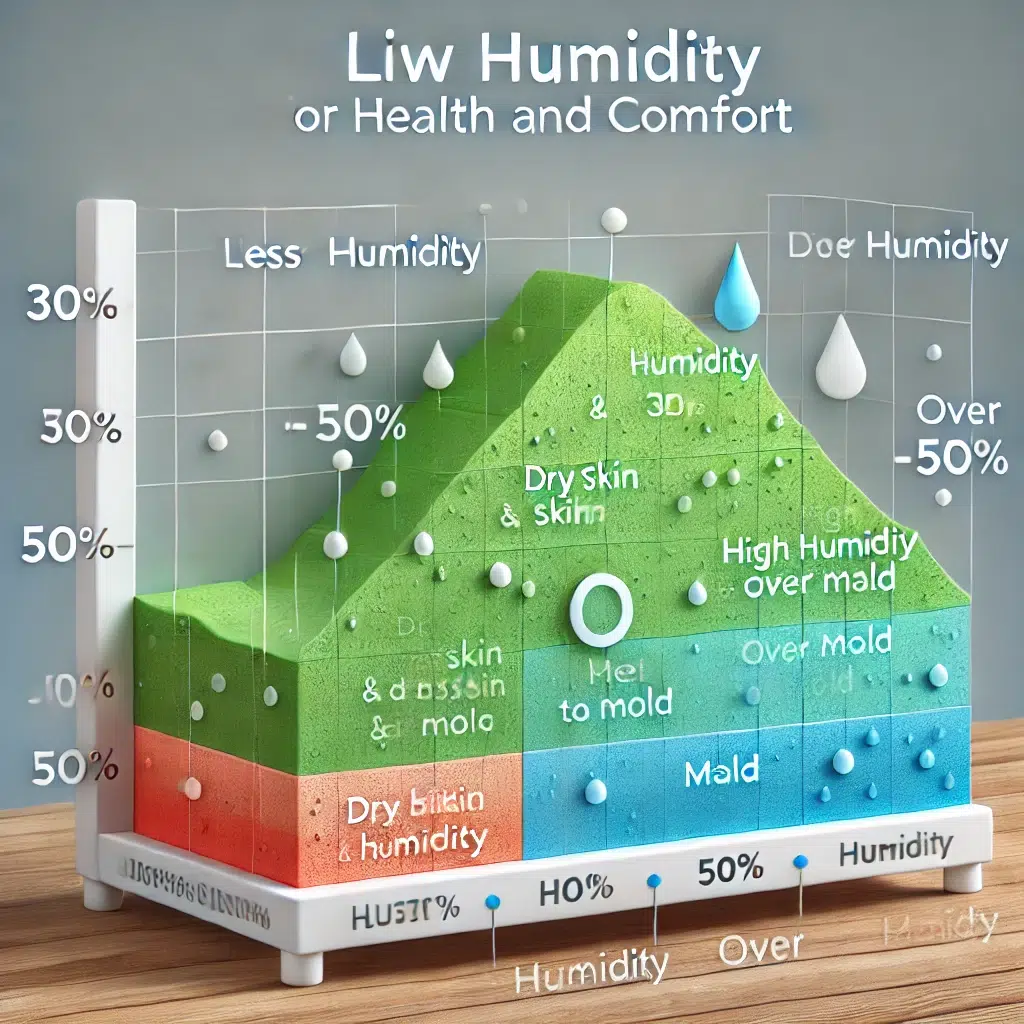
Condensation on windows, damp walls, musty odors, plumbing leaks, roof leaks, or a wet basement are not reasons to automatically add more humidity. Those conditions may require reducing the humidity setting or correcting a separate moisture problem. When the cause of an existing comfort or humidity complaint is unknown, the diagnostic fee is $129; repairs, parts, and labor are separate.
What a Humidifier Installation Chicago Estimate Should Review
- Heating-system compatibility: Furnace or air-handler configuration, blower operation, duct dimensions, available external static pressure, cabinet clearance, and heating-system condition.
- Humidity conditions: Measured indoor humidity, comfort complaints, window condensation, cold surfaces, air leakage, insulation, and areas that already show excessive moisture.
- Equipment type and capacity: Bypass, fan-powered, or steam operation plus the expected output, furnace runtime, control method, and service requirements.
- Water and drainage: Water-line route, shutoff location, water quality, drain access, pitch, termination, freeze exposure, and protection against leaks.
- Electrical and controls: Available voltage, transformer or dedicated circuit requirements, humidistat location, thermostat compatibility, outdoor sensor, and low-voltage wiring.
- Project limits: Access openings, wall or ceiling repair, plumbing changes, electrical upgrades, hazardous-material testing, permits, inspections, and work by separate trades.
Humidifier Installation Chicago Options: Bypass, Fan-Powered, or Steam
Bypass humidifiers move air through a wetted water panel using pressure created by the HVAC blower. They can be practical when there is a suitable supply-and-return duct arrangement and enough room for the bypass duct.
Fan-powered humidifiers use an internal fan to move air across the water panel. They usually do not need a separate bypass duct and may fit some mechanical rooms more easily, but they still require compatible duct space, power, water, drainage, and controls.
Steam humidifiers create vapor and can provide moisture with less dependence on long furnace cycles. They also have greater electrical, water-quality, drainage, control, installation, and maintenance requirements. Steam is not automatically the best choice for every property.
More capacity is not automatically better. An oversized humidifier, aggressive control setting, poor sensor location, or air leaks can contribute to condensation and unwanted moisture. The selection should follow the actual conditions in the home.
Is Humidifier Installation Chicago Service Right for Your Home?
A humidifier can help when the home measures too dry during heating season and the HVAC system can support the installation. It cannot repair inadequate ductwork, a dirty coil, poor blower performance, water intrusion, missing insulation, major air leakage, or windows that remain excessively cold.
The recommendation may be a new humidifier, repair of an existing unit, control correction, maintenance, an airflow improvement, or no humidifier at all. The purpose of the evaluation is to separate measured dryness from other comfort complaints before equipment is added.
Whole-Home Humidifier Installation Chicago: Our Process
- Project review: We discuss the dry-air concern, rooms affected, equipment, known humidity readings, condensation history, maintenance expectations, and desired scope.
- Site evaluation: The furnace, ductwork, mounting space, water route, drain, power, control options, service access, and visible building conditions are reviewed.
- Written proposal: The recommended humidifier, included connections, controls, exclusions, payment terms, and expected project window are documented.
- Installation: The approved cabinet, duct connection, water supply, drain, electrical components, wiring, and control are installed according to the written scope.
- Operation check: Water flow, humidity call, fan or steam operation when applicable, drainage, shutoff, airflow, control response, and visible leaks are reviewed.
- Customer guidance: We explain seasonal settings, condensation warning signs, water-panel or canister maintenance, shutoff procedures, and recommended inspection intervals.
Humidifier Installation Chicago Controls and Maintenance
A humidistat measures relative humidity and calls for humidifier operation. Some controls require manual seasonal adjustment, while others can respond to outdoor temperature when properly installed and configured. The setting should be treated as a starting point rather than a fixed number for the entire Chicago winter. The U.S. EPA discusses 30% to 50% as a general ideal indoor range, but a Chicago home may need a lower winter setting to prevent condensation on cold windows and exterior surfaces.
Reduce the setting if condensation appears on windows or other cold surfaces. Damp frames, moisture on walls, musty odors, or water around the equipment should be investigated rather than ignored.
Water-panel systems commonly need the panel, feed tube, orifice, distribution tray, drain, cabinet, and shutoff inspected. Steam systems may require canister or electrode service based on the model and local water conditions. The humidifier can be checked during a furnace tune-up so the heating and humidity controls are reviewed together.
Humidifier Installation Chicago Cost Factors
Every Humidifier Installation Chicago project is different. Cost depends on the humidifier type and capacity, furnace and duct configuration, cabinet access, bypass-duct requirements, water-line distance, drain route, electrical service, transformer or circuit needs, humidistat or thermostat controls, outdoor sensor, equipment removal, occupied-space protection, permits or inspections when required, and concealed conditions.
A planned whole-home humidifier installation estimate is free. We do not publish a universal price because a basic bypass installation and a steam system requiring electrical, plumbing, drainage, and control upgrades are different projects.
Questions to Ask Before Approving Humidifier Work
- What humidifier type and capacity are being proposed, and why does it fit this home?
- Where will the cabinet, control, water shutoff, and drain connection be located?
- Are the bypass duct, wiring, transformer, outdoor sensor, thermostat connection, and control included?
- Does the project require plumbing, electrical upgrades, permits, inspections, or separate trades?
- What panel, canister, cleaning, or seasonal shutdown maintenance will the homeowner perform?
- What should the homeowner do if condensation, leaking, or unusual operation appears?
Whole-Home Humidifier FAQs
Related comfort options include smart thermostat installation, Chicago furnace maintenance, and current HVAC service specials.
Can a humidifier connect to my existing furnace?
Often, but compatibility must be evaluated. Furnace configuration, duct dimensions, blower operation, available mounting space, water, drainage, power, controls, and service clearance all affect the installation.
What humidity setting should I use in winter?
The safe setting depends on outdoor temperature, window and wall temperatures, air leakage, insulation, and the home. Start moderately and reduce the setting if condensation appears. Persistent moisture should be investigated.
Is a steam humidifier always better?
No. Steam can provide greater output and operate with less dependence on furnace runtime, but it also has greater electrical, water-quality, drainage, installation, and maintenance requirements. A bypass or fan-powered model may fit the home better.
Will a humidifier fix every dry-air complaint?
No. Air leakage, insulation, ductwork, blower performance, heating temperature, window conditions, and other building factors can affect comfort. The cause should be evaluated before equipment is selected.
How often does a humidifier need maintenance?
Frequency depends on the equipment, runtime, water conditions, and manufacturer requirements. Panels, canisters, feed components, drains, controls, and the cabinet should be inspected on the appropriate schedule.
Do you provide a free humidifier estimate?
Planned whole-home humidifier installation estimates are free. If the home has an existing comfort, airflow, furnace, or humidity problem and the cause is unknown, a diagnostic visit may be needed first; the diagnostic fee is $129, with repairs, parts, and labor separate.
Request Humidifier Installation Chicago Service
For Humidifier Installation Chicago service, call Bean’z Heating & Cooling at 312-593-6334 or request an appointment online. We can review the furnace, ductwork, water, drainage, controls, humidity conditions, and installation requirements before preparing a written recommendation.