
Chicago filtration, humidity, and airflow solutions
Indoor Air Quality Chicago IL
Bean’z Heating & Cooling evaluates indoor air quality Chicago IL homeowners can address through practical HVAC improvements, including filtration, humidity control, compatible air-cleaning equipment, airflow corrections, and system maintenance.
Start with the concern
Indoor air quality is more than one product
The building, outdoor conditions, daily activities, moisture, filtration, ductwork, and HVAC equipment all influence indoor comfort. One purifier or filter cannot correct every condition.
Dust and particles
Fast-dirtying filters, visible dust, pets, renovation debris, and air leakage can increase particle concerns.
Dry winter air
Low indoor humidity may affect comfort, but adding too much moisture can create condensation on cold surfaces.
Summer moisture
Humidity control can be affected by AC sizing, run time, airflow, coil condition, drainage, and building moisture.
Weak circulation
Restricted filters, return problems, damaged ducts, dirty components, or fan settings can reduce airflow.
Recurring odors
Odors may come from HVAC components, drains, moisture, stored materials, cooking, pets, or sources outside the system.
Equipment planning
Air cleaners and humidity devices need compatible airflow, controls, space, utilities, drainage, and maintenance access.
Filtration and air cleaners
A higher filter rating is not automatically better
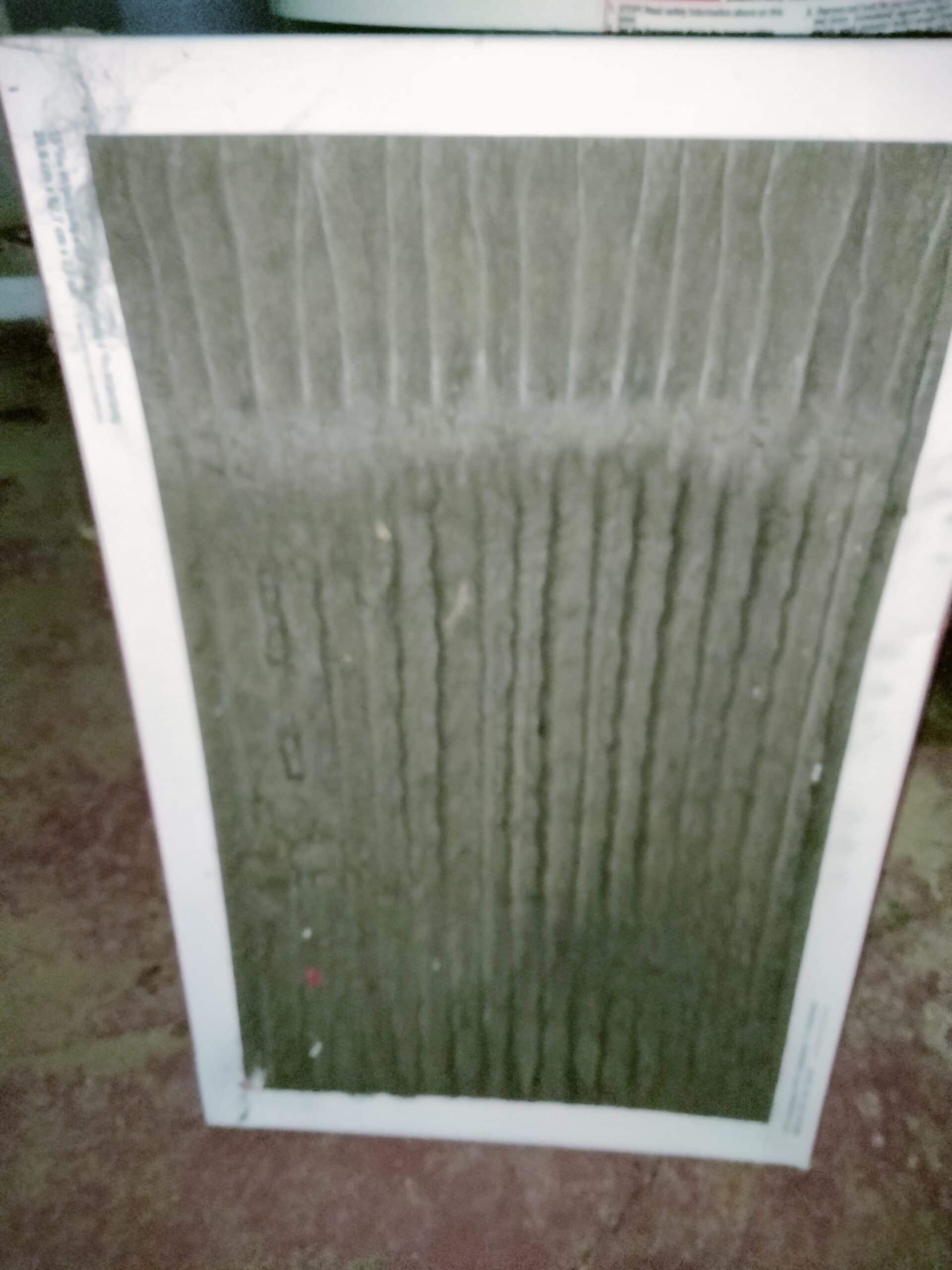
A filter must protect the equipment while allowing the required airflow. If a filter is too restrictive for the cabinet, blower, return design, or duct system, heating and cooling performance can suffer.
Whole-home media filters and compatible air-cleaning devices may provide more filter area or additional particle control than a basic one-inch filter. Installation may require a properly sized cabinet, electrical connection, service clearance, and confirmation that the system can maintain acceptable airflow.
- Current filter size and fit
- Replacement frequency
- Filter cabinet condition
- Return-air capacity
- Blower and duct compatibility
- Electrical or control needs
- Service clearance
- Ongoing maintenance cost
No filter captures every contaminant, and performance depends on equipment run time, correct fit, airflow, and timely maintenance.
Chicago seasonal comfort
Compare humidity, ventilation, and source control
The right approach depends on whether the concern is dry air, excess moisture, outdoor-air exchange, an HVAC condition, or a source elsewhere in the building.
| Approach | What it may address | Planning considerations |
|---|---|---|
| Whole-home humidification | Adds moisture during heating operation when the furnace, duct configuration, and controls are compatible. | Water, drain, controls, seasonal setup, maintenance, and the risk of condensation if humidity is too high. |
| Cooling and dehumidification | Helps manage warm-weather moisture through cooling-system operation or dedicated dehumidification. | AC sizing, run time, airflow, coil condition, drainage, controls, and the building’s moisture load. |
| Ventilation | Exchanges indoor and outdoor air when the building and HVAC design support a planned approach. | Chicago weather, energy use, filtration, building pressure, moisture, duct connections, and controls. |
| Source control | Addresses water intrusion, poorly vented combustion, stored chemicals, exhaust needs, or debris at the source. | Some causes require plumbing, roofing, building-envelope, environmental, or other specialized professionals. |
Learn more in our Chicago humidity-control guide and winter humidity guide.
Not sure which IAQ product fits?
Start with the concern, the HVAC system, and the building conditions—not a product claim.
A practical evaluation
What an indoor air quality visit includes
The scope depends on accessibility and the reported concern, but the process should explain what the HVAC system can address and where another type of professional may be needed.
Discuss the concern
Review dust, dryness, moisture, odors, pets, renovation work, filtration, comfort, and maintenance history.
Inspect accessible conditions
Review relevant equipment, filters, cabinets, drains, controls, registers, returns, and visible ducts.
Check compatibility
Consider airflow, cabinet space, duct access, electrical needs, water, drainage, controls, and service clearance.
Compare options
Explain each option’s intended purpose, limitations, included work, compatibility, and maintenance requirements.
Provide a scope
Prepare an estimate identifying equipment, labor, accessories, exclusions, and accessible project conditions.
Ductwork and equipment condition
Dust and comfort problems are not always filter problems
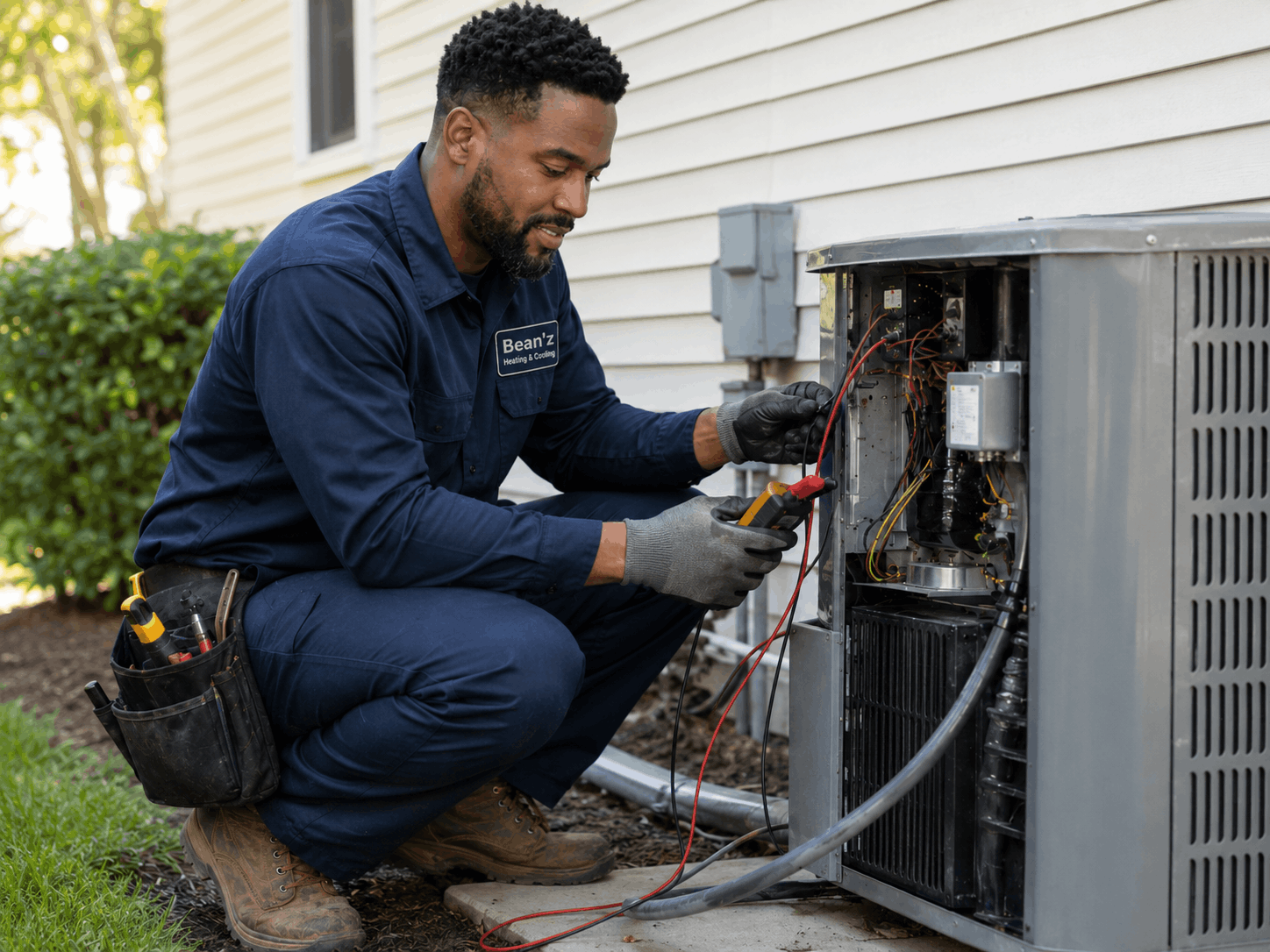
Return-air leaks, damaged ducts, restricted registers, dirty blower components, incorrect fan settings, or insufficient return paths can affect circulation and pull debris from unwanted areas. A new filter or purifier cannot correct a blocked drain, dirty coil, weak blower, damaged duct, or equipment fault.
Seasonal maintenance helps separate routine equipment issues from larger indoor-air concerns. When distribution is part of the problem, the duct system may need evaluation rather than another air-cleaning product.
Review our ductwork installation and airflow service, AC maintenance, and furnace tune-up service.
Indoor air quality questions
Frequently asked questions
Will a higher-rated filter improve indoor air quality?
It may improve particle capture, but it must fit correctly and remain compatible with the blower, cabinet, and duct system. An overly restrictive filter can reduce airflow and create heating or cooling performance problems.
Can an air purifier remove every indoor contaminant?
No. Devices use different technologies and have defined performance limits. Selection should match a specific goal, installation location, airflow requirement, maintenance schedule, and HVAC compatibility.
Should I use a whole-home humidifier in winter?
A compatible humidifier may improve dry-air comfort, but more humidity is not always better. Water, drainage, controls, service needs, building conditions, and condensation risk should be considered.
Why does my home feel humid when the AC is running?
Possible causes include equipment sizing, short run times, excessive airflow, coil condition, drainage, thermostat settings, outdoor-air leakage, or another moisture source. The cause should be evaluated before recommending equipment.
Does Bean’z test for mold or hazardous materials?
No. Bean’z evaluates accessible HVAC-related conditions and equipment options. Suspected mold, asbestos, combustion hazards, or other environmental concerns may require specialized testing and remediation professionals.
Plan practical indoor-air improvements
Request an indoor air quality evaluation
Tell Bean’z Heating & Cooling what you are noticing, when it occurs, and what filtration, humidity, or HVAC equipment the home currently uses.