
Pullman HVAC Services & Repair in Chicago
Bean’z Heating & Cooling provides owner-operated HVAC service in Pullman for attached homes, detached houses, and small residential properties. We identify whether comfort comes from radiators, ductwork, or ductless equipment, test the actual failure, and explain the approved repair before work begins.
- Furnace, boiler, AC & heat-pump testing
- Airflow and uneven-room diagnosis
- Repair scope approved first
Pullman comfort systems are not one-size-fits-all
The CMAP 2026 Pullman community snapshot reports that 43.6% of local housing is attached single-family, 33.7% is detached, and the median housing year is 1948. Those conditions make equipment type, distribution, access, and prior alterations important parts of an HVAC plan.
Attached-home access
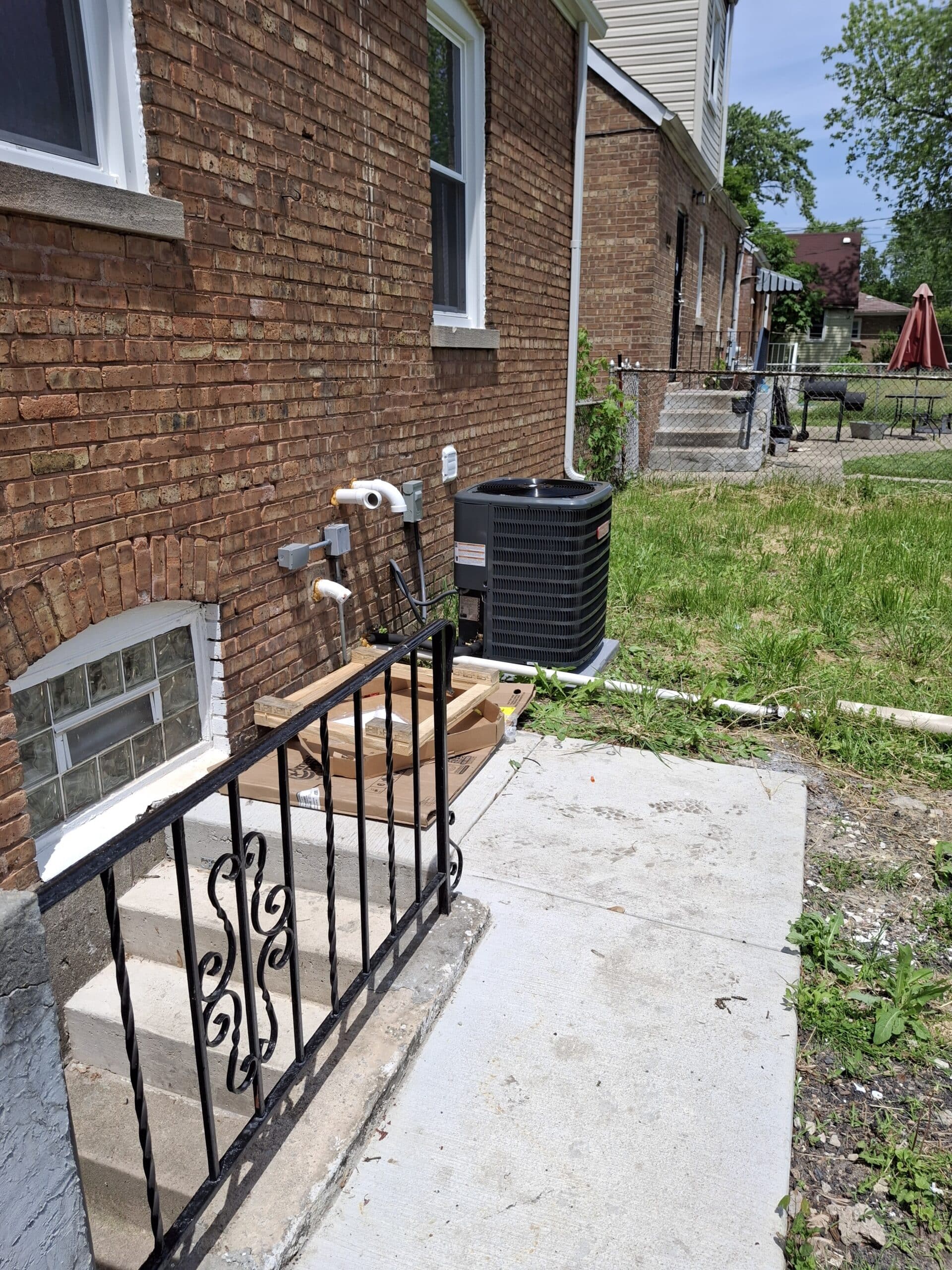
Shared walls and tighter side access can affect where equipment, line sets, drains, vents, and outdoor units can be reached or routed. We inspect the actual path before quoting installation work.
Older heating distribution
A Pullman property may use steam or hot-water radiators, a ducted furnace, or later-added equipment. We identify what serves the space before recommending a repair or replacement.
Rooms changed over time
Finished basements, additions, and converted rooms can create comfort complaints the original system was not designed to handle. The solution may involve airflow, controls, load, or a separate ductless zone.
Match the test to the way the property is heated
A cold radiator, weak second-floor vent, and uncomfortable converted room are different problems even when the complaint is simply “not enough heat.” We first identify the distribution serving that area, then test the equipment and path connected to it.
| Pullman comfort complaint | Possible system path | Field checks that narrow it down |
|---|---|---|
| Some radiators stay cold or heat late | Steam venting, hot-water circulation, zone control, valve position, trapped air, boiler pressure, or distribution balance. | System type, thermostat call, burner and safety operation, pressure or temperature, pump or vent action, valves, and visible piping conditions. |
| Furnace heats near rooms but an upper or rear room lags | Supply restriction, weak return path, duct leakage, damper position, blower setup, insulation, or a room load the original distribution does not cover well. | Temperature rise, static pressure, blower and filter condition, accessible duct route, return path, vent airflow, and the pattern between rooms. |
| An added or converted room never gets comfortable | No usable duct path, undersized branch, poor return, thermostat location, solar or envelope load, or equipment that was added without a full-room plan. | Room dimensions and use, connected supply and return, temperature pattern, available electrical and drain routes, and whether duct correction or a separate zone is practical. |
| Outdoor AC or heat-pump equipment is hard to reach | Tight side or rear access, line-set route, disconnect location, condensate path, clearance, or service access around the cabinet. | Safe access, equipment clearances, electrical disconnect, coil condition, line and drain routing, operating readings, and a workable removal or replacement path. |
| One level or zone fails while another works | Zone valve or damper, separate thermostat, circulation problem, control wiring, duct branch, or equipment serving only part of the property. | Which equipment serves the affected area, zone calls, control output, damper or valve response, circulation or airflow, and temperatures before and after the zone operates. |
The equipment and the room path must work together
Before recommending a part or a new unit, Bean’z identifies how heat or cooling is supposed to reach the problem area. That step matters in Pullman because an attached property, an older detached house, and a remodeled room may have very different access and distribution even when the equipment label looks similar.
- Identify steam, hot-water, forced-air, central-cooling, heat-pump, or ductless distribution
- Map the thermostat, zones, radiators or vents, returns, and equipment serving the affected space
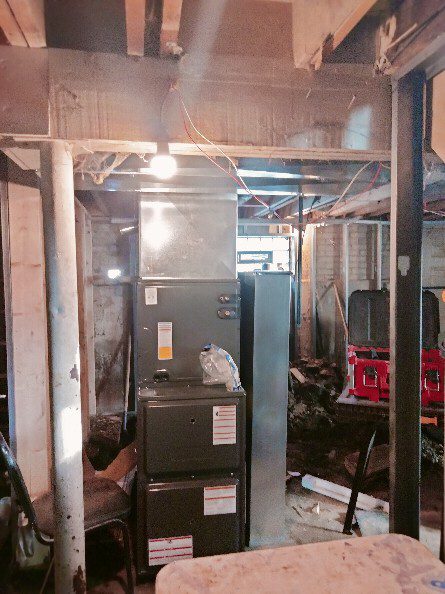
- Note basement, panel, outdoor-unit, venting, drain, and equipment-removal access before defining scope
- Take operating readings at the equipment and compare them with what reaches the room
- Separate a failed component from a duct, piping, control, sizing, or room-load limitation
- After an approved repair, run the system and explain what changed and what still needs attention
Four details help us reach the right Pullman system
Sharing the equipment type and access conditions during scheduling helps separate a boiler call from a furnace, central-air, or ductless call before arrival.
Name what serves the space
Tell us whether you see radiators, floor or wall vents, indoor ductless heads, an outdoor unit, or more than one type of equipment.
Describe the comfort pattern
Note whether the whole property is affected or only one room, level, radiator, vent, or thermostat zone—and when the change began.
Confirm equipment access
Let us know how to reach the basement or mechanical area, electrical panel, thermostat, outdoor equipment, and any locked or shared space.
Choose after testing
Bean’z explains the finding, repair price, parts timing, and any distribution or access limit before you approve additional work.
The equipment and distribution can still do the job
- The failed control, motor, pump, valve, ignition, or electrical part is available and the rest of the system tests serviceable.
- Radiators, piping, ducts, returns, or room units still deliver usable comfort after the failure is corrected.
- Venting, drainage, electrical supply, and safety conditions support continued operation.
- The approved repair fits the system’s condition and the owner’s plan for the property.
Changing equipment may change the building work
- Moving from radiator heat to forced air would require new supply and return routes
- A central-AC plan lacks a practical duct, line-set, condensate, or outdoor-unit path
- Attached walls or tight access affect equipment removal, venting, piping, drains, or clearances
- A converted area needs its own load and comfort plan instead of a larger replacement alone
Bean’z compares the repair with the complete installed scope. The $129 diagnostic does not obligate you to replace equipment.
Start with the Pullman equipment serving the room
Use these service pages after identifying whether the complaint begins at a forced-air furnace, cooling system, boiler and radiators, or the duct path between the equipment and the room.
Forced-air furnace diagnosis
For a ducted home with no heat, short cycling, a cold-air complaint, ignition trouble, blower noise, or a shutdown shown at the thermostat.
Central AC troubleshooting
For an outdoor unit that will not run, warm supply air, icing, drainage trouble, weak cooling, or electrical and refrigerant-related symptoms.
Boiler and radiator help
For steam or hot-water heat with cold radiators, delayed circulation, ignition failure, control trouble, pressure concerns, or replacement questions.
Room airflow investigation
For a vented room that lags behind the rest of the property, a weak return path, noisy duct, inaccessible branch, or distribution plan that needs correction.
Three starting points for a Pullman HVAC plan
The right category begins with what already carries heat or cooling through the property. Bean’z then checks capacity, controls, utility connections, access, and the full installation route before presenting an estimate.
If the rooms have radiators
Confirm steam versus hot water, the connected radiation, piping layout, venting or chimney conditions, controls, and circulation. A boiler estimate should match that existing distribution rather than use a generic equipment swap.
If the rooms have supply and return vents
Measure the ducted path, return capacity, static pressure, temperature change, equipment load, venting, condensate, electrical needs, and thermostat compatibility before choosing furnace or central-AC capacity.
If a room has no workable duct route
Compare a targeted duct correction with a ductless zone. Indoor-head placement, condensate drainage, line-set routing, outdoor clearance, electrical capacity, low-temperature performance, and backup heat all belong in the scope.
South Side HVAC service area
Bean’z serves Pullman and nearby South Side neighborhoods when scheduling, weather, traffic, and travel conditions allow.
Pullman
Heating, cooling, boiler, maintenance, airflow, and replacement planning for local homes and small residential properties.
Roseland
Furnace, AC, thermostat, boiler, ductwork, and comfort troubleshooting in the nearby 60628 area.
South Deering & Riverdale
Owner-operated diagnosis, approved repair work, maintenance, and equipment estimates by appointment.
Chatham & nearby
Visit our other neighborhood service pages for more local heating and cooling information.
Questions about attached homes, radiators, and access
Does Bean’z work on attached Pullman homes and rowhouse-style properties?
Yes, subject to the equipment, safe access, and current service area. During scheduling, explain how the furnace, boiler, AC, or heat pump is reached and whether any basement, side passage, roof, yard, or utility area is shared or locked.
What should I tell you if my Pullman home has radiators?
Tell us whether the radiators are cold everywhere or only in certain rooms, whether you see a steam sight glass or a hot-water pressure gauge, and whether the boiler starts. Do not open a hot or pressurized system; Bean’z identifies the system type and tests it safely during the visit.
Can ductless equipment help a Pullman room with no usable ductwork?
It may be an option, but the room load, indoor-head location, drain route, line-set path, outdoor-unit clearance, electrical capacity, low-temperature performance, and backup heat must be reviewed before an estimate.
What access should I prepare before a Pullman HVAC appointment?
Please clear a safe path to the thermostat, furnace or boiler, electrical panel, indoor coil or air handler, and outdoor equipment. Unlock required gates or mechanical spaces and mention tight stairs, crawlspaces, shared areas, parking limits, or pets when scheduling.
What does the $129 Pullman HVAC diagnostic include?
The $129 standard diagnostic covers testing needed to identify the failure and explain the next step. Parts, refrigerant, repair labor, code corrections, and replacement equipment are separate and require your approval.
Can Bean’z guarantee same-day Pullman HVAC service?
No fixed arrival can be guaranteed before the schedule is checked. Same-day appointments may be available depending on call demand, weather, traffic, travel area, and access. Call 312-593-6334 for current availability and a realistic service window.
Tell Bean’z how the room is heated or cooled
When you call, name the radiators, vents, ductless heads, or outdoor equipment you see; describe which rooms are affected; and mention basement, gate, roof, or shared-space access. We will confirm current availability and explain the $129 diagnostic before dispatch.