
Humidity Control in Chicago, IL
Humidity control in Chicago matters because our homes deal with sticky summer air, dry winter heat, older ductwork, basements, tight mechanical rooms, and changing lake-area weather. If the air feels muggy, dry, musty, or uncomfortable even when the thermostat looks right, the problem may be more than temperature.
Bean’z Heating & Cooling helps Chicago homeowners improve comfort by checking the HVAC system, airflow, thermostat settings, indoor humidity, and equipment condition. For service, call 312-593-6334.

What Indoor Humidity Should Be
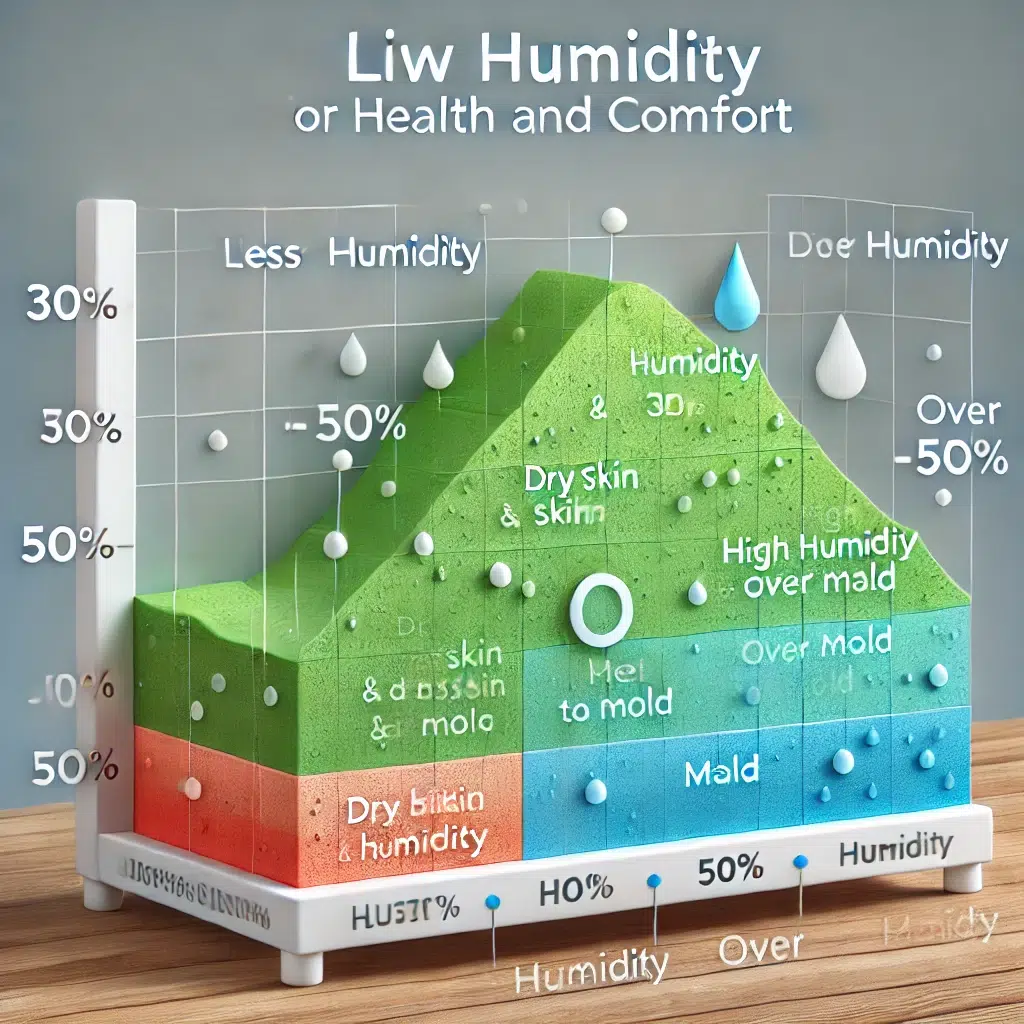
A good indoor humidity target for many homes is usually around 30% to 50%. The best range depends on the season, outdoor temperature, home construction, and whether you are dealing with condensation, mold risk, dry air, or comfort problems.
| Indoor Reading | What It Usually Means |
|---|---|
| Below 30% | Air may feel dry. You may notice static, dry skin, irritated sinuses, or wood shrinkage. |
| 30%–50% | Common comfort range for many Chicago homes. |
| Above 50% | Air may feel sticky. Mold, dust mites, odors, and basement moisture can become more likely. |
| Above 60% | Needs attention, especially if the home smells musty or surfaces feel damp. |
Signs Your Home Has a Humidity Problem
Humidity problems show up in different ways depending on the season. Watch for these signs:
- Rooms feel sticky even when the AC is running
- Musty odor in the basement, bathroom, or return duct area
- Water stains, sweating ducts, or condensation around vents
- Windows sweating in colder weather
- Dry skin, dry nose, static, or cracked wood in winter
- AC runs but the home still feels damp
- Humidity changes a lot from room to room
If the AC is running but the house still feels warm or damp, also see our guide on AC blowing warm air in Chicago.
How to Measure Humidity
The easiest way to check humidity is with a digital hygrometer. Place it in the living area first, then compare readings in the basement, bedroom, kitchen, and near the return air grille. A smart thermostat may also show humidity, but a separate hygrometer can help verify the reading.
- Check the reading after the HVAC system has been running for a while.
- Compare upstairs, downstairs, and basement readings.
- Look for rooms that feel different from the rest of the home.
- Write down the humidity percentage and room temperature.
Why Humidity Gets Too High in Summer
High humidity is common during Chicago summers. But if the home feels damp all the time, the HVAC system may not be removing enough moisture. Common causes include:
- Oversized AC: The system cools too fast and shuts off before it removes moisture.
- Low airflow: Dirty filter, dirty blower wheel, restricted return, or duct problems can affect comfort.
- Dirty evaporator coil: A dirty coil can reduce heat transfer and moisture removal.
- Short cycling: The AC starts and stops too often.
- Basement moisture: Water intrusion or poor ventilation can raise humidity throughout the home.
- Poor thermostat setup: Some systems need better fan or dehumidification settings.
Routine AC maintenance in Chicago helps catch dirty coils, weak airflow, and drainage problems before peak summer humidity makes the home uncomfortable.
Why Humidity Gets Too Low in Winter
In winter, heated air can feel very dry. Dry air can cause static, dry skin, irritated sinuses, and comfort complaints even when the furnace is heating. Some homes may benefit from a whole-house humidifier, but the system has to be installed, maintained, and controlled correctly.
If the furnace is older or repair costs are stacking up, read our furnace repair vs replacement guide before spending money blindly.
Humidity Control Options
The right fix depends on the reading, the season, and the HVAC diagnosis. Common options include:
- Whole-house humidifier: Adds moisture during dry winter operation.
- Whole-house dehumidifier: Helps remove moisture when the AC alone is not enough.
- AC airflow correction: Fixes filters, blower issues, duct restrictions, or coil problems.
- Thermostat upgrade: Better humidity monitoring and control options may help.
- Drainage and condensate correction: Helps prevent water problems around the air handler or furnace.
- Ventilation improvements: Helps kitchens, bathrooms, and basements remove moisture properly.
For better control, a smart thermostat installation may help monitor indoor conditions and improve system control.
What Bean’z Checks During a Humidity Complaint
A humidity problem should not be guessed at. Depending on the call, we may check:
- Indoor humidity and temperature readings
- Air filter condition and return airflow
- Supply air temperature and system performance
- Evaporator coil condition
- Blower operation and fan settings
- Condensate drain and water removal
- Thermostat settings and humidity controls
- Basement, bathroom, or kitchen moisture sources
When to Call Bean’z Heating & Cooling
Call for service if your home feels sticky with the AC running, the basement smells musty, the indoor humidity stays above 50%–60%, the furnace makes the air too dry in winter, or you are unsure whether the problem is equipment, airflow, drainage, or ventilation.
Call Bean’z Heating & Cooling at 312-593-6334 for humidity control help in Chicago, South Side neighborhoods, and nearby suburbs.
Choose the Fix From Measurements, Not Symptoms Alone
Dry skin, static, window condensation, musty odors, and uneven comfort can have different causes. Measure indoor temperature and relative humidity, note the outdoor conditions, and inspect for water intrusion before adding humidity equipment. For winter dryness, compare our whole-home humidifier service. For summer moisture or weak cooling, start with AC diagnosis and repair. You can also request an indoor-comfort evaluation.
FAQ: Humidity Control in Chicago
What should indoor humidity be in a Chicago home?
Many homes feel best around 30% to 50% indoor humidity. The right target depends on the season, outdoor temperature, home condition, and whether there is condensation or dry-air discomfort.
Why does my house feel humid even with the AC on?
The AC may be oversized, short cycling, low on airflow, dirty, poorly controlled, or not running long enough to remove moisture. Basement moisture can also raise indoor humidity.
Can AC maintenance help with humidity?
Yes. Clean coils, good airflow, proper drainage, and correct thermostat settings all help the AC remove moisture better during cooling season.
Do I need a humidifier or dehumidifier?
It depends on your readings and the season. Dry winter air may point toward humidification. Sticky summer air may point toward dehumidification, AC correction, or ventilation work.
Related Chicago HVAC guides: whole-home humidifier installation, indoor air quality solutions, smart thermostat installation.