
South Chicago Furnace Installation and Replacement
South Chicago Furnace Installation planning from Bean’z Heating & Cooling serves local bungalows, brick two-flats, condos, and multi-family properties.
The right installation involves more than matching the number on the old furnace. We review the home, heating load, equipment location, ductwork, airflow, gas supply, electrical service, venting, combustion air, filter setup, thermostat, and cooling-system compatibility before presenting options.
South Chicago Heating Specialists
When South Chicago Furnace Installation Makes Sense
A furnace that can be repaired does not automatically need replacement. The decision should consider safety, equipment age, repair history, comfort, airflow, fuel use, parts availability, and whether the existing furnace is properly sized for the home.
- Repeated breakdowns or several expensive repairs within a short period
- A heat exchanger, venting, combustion, or safety problem requiring major correction
- Uneven rooms, weak airflow, or short cycling that continues after normal repairs
- An older furnace with hard-to-find controls or replacement parts
- A renovation, addition, or new cooling system that changes the required airflow or capacity
- A planned efficiency upgrade that requires a different venting or drainage setup
If your furnace has failed and the cause is unknown, begin with furnace repair in Chicago. The standard diagnostic fee is $129. Repair work, parts, and additional labor are quoted separately before approved work begins. A planned furnace installation estimate is free. For broader neighborhood service, visit our South Chicago HVAC service page, and review ductwork and airflow if uneven rooms or return-air restrictions are part of the project.
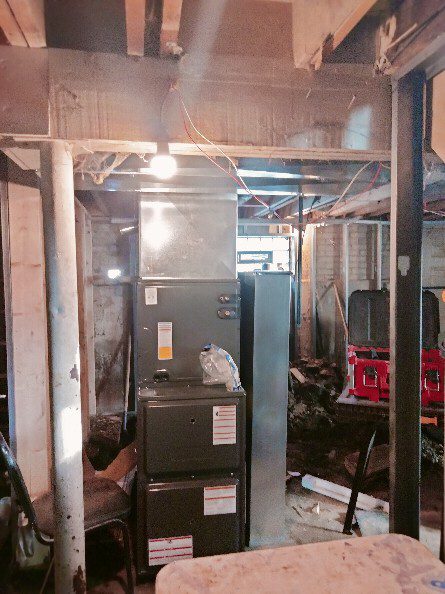
Our South Chicago Furnace Installation Process
- Home and equipment review: We inspect the existing furnace, filter, return and supply ductwork, thermostat, gas, electrical, venting, drain route, and equipment access.
- Sizing and airflow planning: We consider the building, insulation, windows, room exposure, duct capacity, cooling coil, blower requirements, and comfort problems instead of automatically copying the old furnace size.
- Equipment options: We explain practical furnace-efficiency, blower, staging, venting, thermostat, and filter choices based on the property and budget.
- Written proposal: The estimate identifies included equipment and labor, required accessory work, exclusions, warranty information, payment terms, and financing information when applicable.
- Installation and startup: The old equipment is removed as agreed, the new furnace is set and connected, then electrical, gas, venting, drain, thermostat, airflow, temperature rise, and operating sequence are checked as appropriate.
- Customer walkthrough: We explain filter replacement, thermostat use, normal operation, maintenance needs, warranty registration responsibilities, and what to do if heat is lost.
During South Chicago Furnace Installation planning, homeowners can review ENERGY STAR furnace guidance when comparing efficiency, blower performance, home sealing, and duct considerations.
Choosing Equipment for South Chicago Furnace Installation
80% AFUE Furnaces
An 80% furnace generally uses a metal vent connected to an approved chimney or vent system. It may be a practical replacement when the existing venting and project conditions support it. The chimney, connector, combustion air, and water-heater venting arrangement must be considered as part of the plan.
90% to 96%+ AFUE Furnaces
High-efficiency condensing furnaces typically require approved plastic or manufacturer-specified venting, combustion-air planning, condensate drainage, and freeze protection for exposed drains or vents. The best vent route depends on the equipment location and property layout.
Single-Stage, Two-Stage, and Variable-Speed Options
Staging and blower type affect sound, airflow control, comfort, electrical use, and compatibility with the cooling system. More features are not automatically better; the equipment, ductwork, thermostat, and homeowner priorities should work together.
South Chicago Furnace Installation: Ductwork and Venting
South Chicago homes can have basement furnaces, older masonry chimneys, undersized returns, mixed duct additions, restricted filter racks, finished walls around equipment, or cooling coils added years after the original furnace. A new furnace cannot deliver its rated performance if the connected system cannot move the required air.
- Return-air path, filter size, blower setup, and total available duct capacity
- Supply trunk and branch condition, closed dampers, disconnected runs, and room balance
- Cooling-coil size, refrigerant-system airflow needs, and condensate drainage
- Gas pipe capacity, shutoff location, electrical circuit, grounding, and disconnect needs
- Chimney or sidewall vent route, combustion air, clearances, and equipment access
- Permit or inspection responsibilities when required by the final project scope
What a South Chicago Furnace Installation Proposal Includes
- Furnace model, size, fuel type, AFUE, blower type, and heating stages
- Thermostat, filter, sheet-metal transition, venting, gas, electrical, and drainage work included
- Any duct modifications, chimney work, asbestos work, wall repair, or other exclusions
- Removal and disposal of the existing furnace and jobsite cleanup
- Manufacturer warranty, labor coverage, maintenance conditions, and registration responsibility
- Project schedule, payment terms, and available financing details when applicable
For broader equipment information, visit our Chicago furnace installation page. After installation, seasonal care is available through our furnace tune-up service.
South Chicago Furnace Installation FAQs
How much does furnace installation cost in South Chicago?
The price depends on furnace size and efficiency, blower and staging options, venting, sheet-metal transitions, gas and electrical work, thermostat, filter setup, cooling-coil compatibility, access, permits when required, and any duct corrections. A written estimate should identify exactly what is included.
How long does furnace replacement take?
The schedule depends on the project. A straightforward furnace swap and a replacement requiring new venting, ductwork, gas, electrical, drainage, or code corrections do not take the same amount of time. The project window is provided after the job is reviewed.
Should I choose an 80% or high-efficiency furnace?
The answer depends on the property, vent route, chimney condition, condensate drainage, fuel use, equipment location, budget, and how long you plan to keep the system. We explain the differences after reviewing the installation conditions.
Can you install a furnace in a two-flat or multi-family building?
Bean’z Heating & Cooling evaluates furnace replacement for South Chicago single-family homes, condos, two-flats, and multi-family properties. Access, zoning, shared utilities, ductwork, venting, and project scope must be reviewed before recommendations are finalized.
Is a free installation estimate the same as a diagnostic visit?
No. A free installation estimate is for a planned replacement project. When a furnace has failed and the cause is unknown, the standard diagnostic fee is $129. Repairs, parts, and additional labor are priced separately after diagnosis.
Will you check the ductwork and airflow before recommending a furnace?
Yes. Furnace size and blower setup must work with the return, supply ducts, filter, cooling coil, and rooms being served. We review the connected system and identify corrections that should be included in the proposal instead of assuming the old equipment size is correct.
Request a South Chicago Furnace Installation Estimate
South Chicago Furnace Installation Information to Have Ready
- Property type and number of heated units
- Existing furnace fuel, approximate age, model, and efficiency if known
- Rooms with poor airflow, temperature differences, or recent duct changes
- Whether you are planning replacement or currently have no heat
For South Chicago Furnace Installation service, call 312-593-6334 or request a free installation estimate online. Bean’z Heating & Cooling serves South Chicago and nearby South Side neighborhoods.
Related furnace services: Compare Chicago furnace installation, furnace repair, furnace tune-up service, or request an estimate.